
Furniture Recycling: What You Need To Know
When it’s time to part ways with old couches, worn-out dressers, or outdated office furniture, most people ask the same question: what do I do with this? If you’re a homeowner, tenant or landlord looking for practical, responsible options, furniture recycling may be your best answer. This blog explains what furniture recycling is, why it matters, how it benefits you and the planet, and what options you have for furniture removal and disposal. Whether you’re upgrading your home or clearing out a rental unit, this article will help you make informed decisions.
What is furniture recycling?
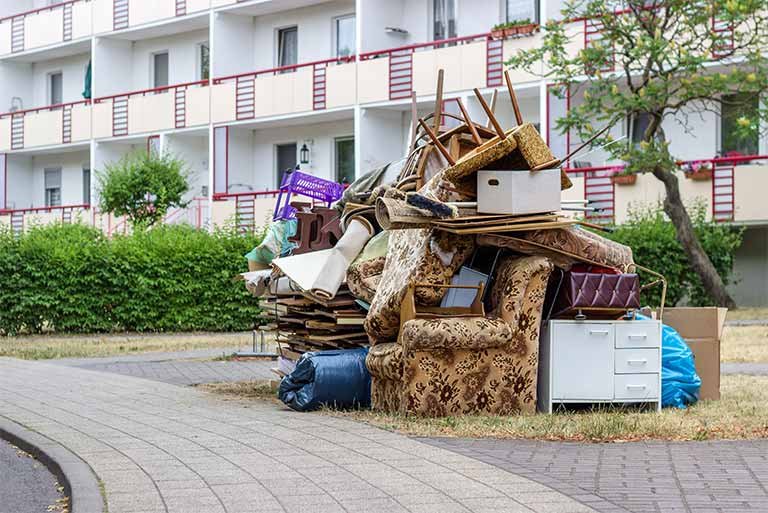
Furniture recycling refers to the process of reusing, repurposing, or properly breaking down furniture components to keep them out of landfills. This can mean donating usable pieces, dismantling items to salvage materials like metal, wood, or fabric, or sending broken items to specialized recycling centers.
Unlike trash disposal, where items end up in landfills or incinerators, furniture recycling gives your old items a second life. It also helps reduce the demand for raw materials, making it a smarter choice for the environment and your community.
5 reasons to recycle furniture
- Reduce landfill waste: Furniture is one of the largest waste categories in municipal dumps.
- Lower carbon footprint: Recycling reduces the need to harvest new materials and manufacture new products.
- Support local communities: Donated or repurposed furniture can help families in need or benefit local nonprofits.
- Save money: Recycling and donation are often cheaper than paying landfill disposal fees or overloading dumpsters.
- Meet legal and sustainability goals: Some municipalities and property management companies require sustainable disposal practices.
Why furniture recycling matters
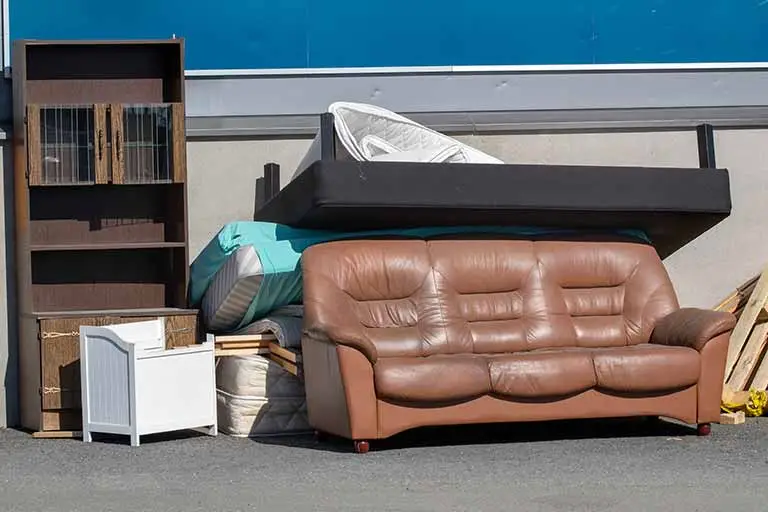
In the U.S. alone, millions of tons of furniture are discarded each year—most of it ending up in landfills. Furniture is bulky and slow to decompose, meaning it takes up valuable landfill space and contributes to greenhouse gas emissions as it breaks down.
Recycling furniture isn’t just about “going green.” It’s about making thoughtful, cost-effective, and responsible choices that benefit everyone involved, especially if you’re a property owner or manager who regularly deals with turnover and cleanouts.
Common types of recyclable furniture
While not all furniture is accepted everywhere, many items are eligible for recycling, donation, or material recovery.
| Furniture Type | Recyclable Materials | Potential Uses |
| Wooden tables/desks | Solid wood, plywood | Reclaimed wood, firewood, repurposed furniture |
| Mattresses | Metal springs, foam, cotton | Insulation, carpet padding, recycled steel |
| Couches & sofas | Wood, fabric, foam | Upholstery projects, animal bedding |
| Office chairs | Metal, plastic, synthetic fabric | Recycled metals/plastics |
| Bed frames | Metal, wood | Scrap metal, repurposed lumber |
| Dressers & cabinets | Particle board, wood | Salvaged parts or shelving |
Benefits of furniture removal service
Handling heavy or bulky furniture is not easy. That’s where a professional furniture removal service can make all the difference. Whether you’re a busy landlord cleaning out a unit between tenants or a homeowner updating your decor, these services offer speed, efficiency, and peace of mind.
Why hire a furniture removal service
- Convenient and fast: No need to rent a truck or drag furniture to the curb.
- Heavy lifting done for you: Trained teams handle disassembly, hauling, and cleanup.
- Eco-conscious disposal: Reputable removal services prioritize recycling and donation over dumping.
- Less liability risk: Avoid the strain and potential injury of DIY hauling.
If you’re looking for a reliable partner, Garbage Gurus offers local bulk waste and junk pick up services that are prompt, affordable, and environmentally responsible. Check out our service areas to schedule a pickup or request a quote.
What to do before disposing of furniture
Before you schedule removal or head to the recycling center, take these simple steps:
- Inspect and evaluate: Determine whether the item is reusable, recyclable, or destined for disposal. Minor damage can often be repaired, and many donation centers accept gently used furniture.
- Take measurements: Ensure your furniture can be moved through doorways and hallways. If necessary, disassemble it beforehand.
- Remove hazardous materials: Furniture with electronics, batteries, or built-in lighting (such as recliners or adjustable beds) may require special handling.
- Check local regulations: Some municipalities have bulky item pickup programs or furniture-specific disposal rules. Avoid fines or illegal dumping by doing your homework.
Alternatives to throwing furniture away
Not all furniture needs to be recycled through formal centers. You have options, many of which help others while reducing environmental harm.
Donation options
- Habitat for Humanity ReStores
- Goodwill and Salvation Army
- Local shelters or nonprofits
- Furniture banks
Resale or repurpose
- Sell online via Facebook Marketplace, Craigslist, or local apps.
- Give away to neighbors, friends, or local families.
- Repurpose for DIY projects
Hire a junk removal expert
Junk removal companies have extensive experience with responsible furniture disposal. Consider hiring an eco-friendly junk removal company, like Garbage Gurus, to find an alternative.
Municipal bulk collection
Some cities offer bulk pickup on specific days or with advance scheduling. This is often a last resort, so confirm where the items go and whether they are recycled or go to a landfill.
What happens when furniture gets recycled?
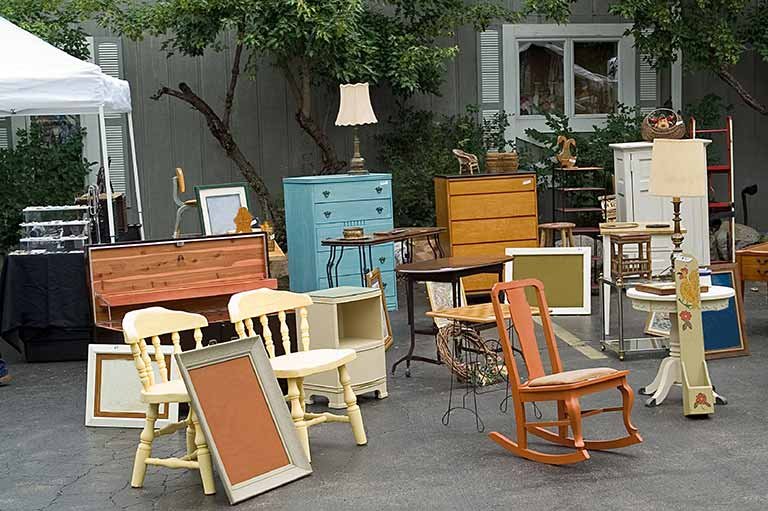
The furniture recycling process depends on the material and recycling facility. Here’s a typical breakdown:
- Collection: Items are picked up by a removal service or dropped off at a recycling center.
- Sorting: Furniture is dismantled and sorted into recyclable and non-recyclable components.
- Material recovery: Wood is chipped or reused, metal is melted down, and foam or textiles may be processed for insulation or padding.
- Redistribution: Usable parts or refurbished items are returned to the market or donated.
The process isn’t perfect, but every piece that avoids the landfill makes a difference.
When is it time to let furniture go?
It’s easy to become attached to furniture, especially if it has sentimental value. But here are some signs it’s time to move on:
- It’s structurally damaged or unsafe
- It no longer fits your space or design
- It hasn’t been used in over a year
- It’s blocking rental turnover or cluttering common areas
Letting go responsibly clears space in your home and your mind.
How to choose the right furniture removal service
When choosing a furniture removal service, look for providers that value responsible disposal, customer service, and transparency. Here’s a quick checklist:
- Licensed and insured
- Offers upfront, clear pricing
- Has a stated commitment to recycling or donation
- Offers same-day or scheduled pickups
- Handles residential and rental property cleanouts
At Garbage Gurus, our team takes pride in offering reliable, eco-friendly junk removal services. Contact us anytime to discuss your needs.
Frequently Asked Questions
How much does furniture removal cost?
Furniture removal in Worcester County, MA typically costs between $85 and $150 for a single large item like a couch or dresser, with smaller items adding $15 to $50 each. For larger cleanouts, volume-based pricing ranges from $250 to $5,000 or more depending on how much space your furniture takes up in the truck. Prices often include pickup, disassembly, loading, and responsible disposal or donation.
Do I need to disassemble furniture before removal?
No, professional crews typically disassemble items on site using proper tools. However, if you’re able to break items down beforehand, it may speed up the process and reduce labor time.
Final Thoughts
Furniture recycling is more than a trend, it’s a necessary and practical solution to a growing waste problem. Whether you’re making room in your home, clearing out a rental, or upgrading your furnishings, recycling your old furniture is a choice that benefits your wallet, your property, and the planet.
From scheduling a pickup to donating usable items, there are responsible, cost-effective ways to manage furniture disposal. Let experts like Garbage Gurus help you do it right.
Need help with furniture removal? Contact Garbage Gurus today and let our team take the hassle out of furniture disposal. We’ll help you recycle responsibly and free up your space quickly and affordably.